The Pregnancy Test as Plot Device

Here’s a clip from a mini essay I wrote for The Atlantic: 

“Though pregnancy is a timeless source of narrative conflict, pregnancy tests on the screen are relatively new. Over-the-counter, take-home indicators didn’t hit the shelves until 1988. Before that, aside from obvious symptoms—missed periods and morning sickness—early verification was harder to come by. The 1927 A-Z test (named for inventors Selmar Aschheim and Bernhard Zondak) involved injecting a woman’s urine into an immature mouse or rat. If the rodent went into heat, the woman was “in the family way.” In frogs and rabbits, the same procedure incited ovulation. While frog eggs are expelled from the body and easily visible, injected rabbits had to be cut open and inspected, a practice that gave rise to the euphemism “the rabbit died.”

Check out the whole thing here!

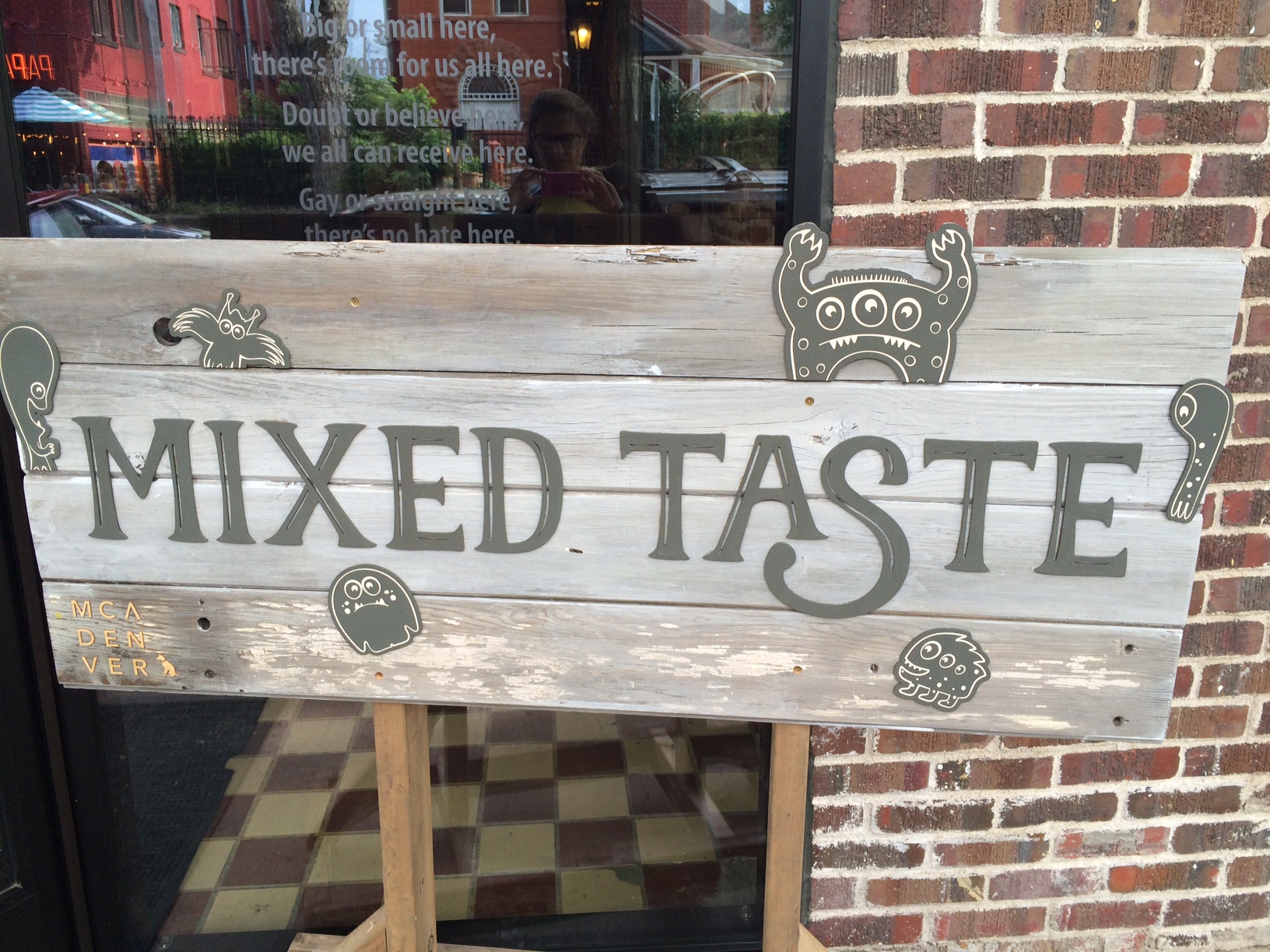
Mixed Taste: Tag Team Lectures on Unrelated Subjects

IMG_0573

If I was asked the ideal situation in which to give a public lecture, I still wouldn’t have come up with anything nearly as fun as the Denver Museum of Contemporary Art’s Mixed Taste lecture series. I lectured on drinking water and Scott Kinnamon lectured on Miles Davis. Then, during the Q & A, the audience came up with questions that tied the two subjects together. The whole premise of the program is based on the idea of metaphor, that unrelated subjects can illuminate one another. During dinner, afterwards, I found out that the late poet, Jake Adam York, whose work I admire tremendously, helped found the series eleven years ago. I guess it shouldn’t be a surprise that a brilliant poet would be behind such a brilliant event.

Here are some photos:

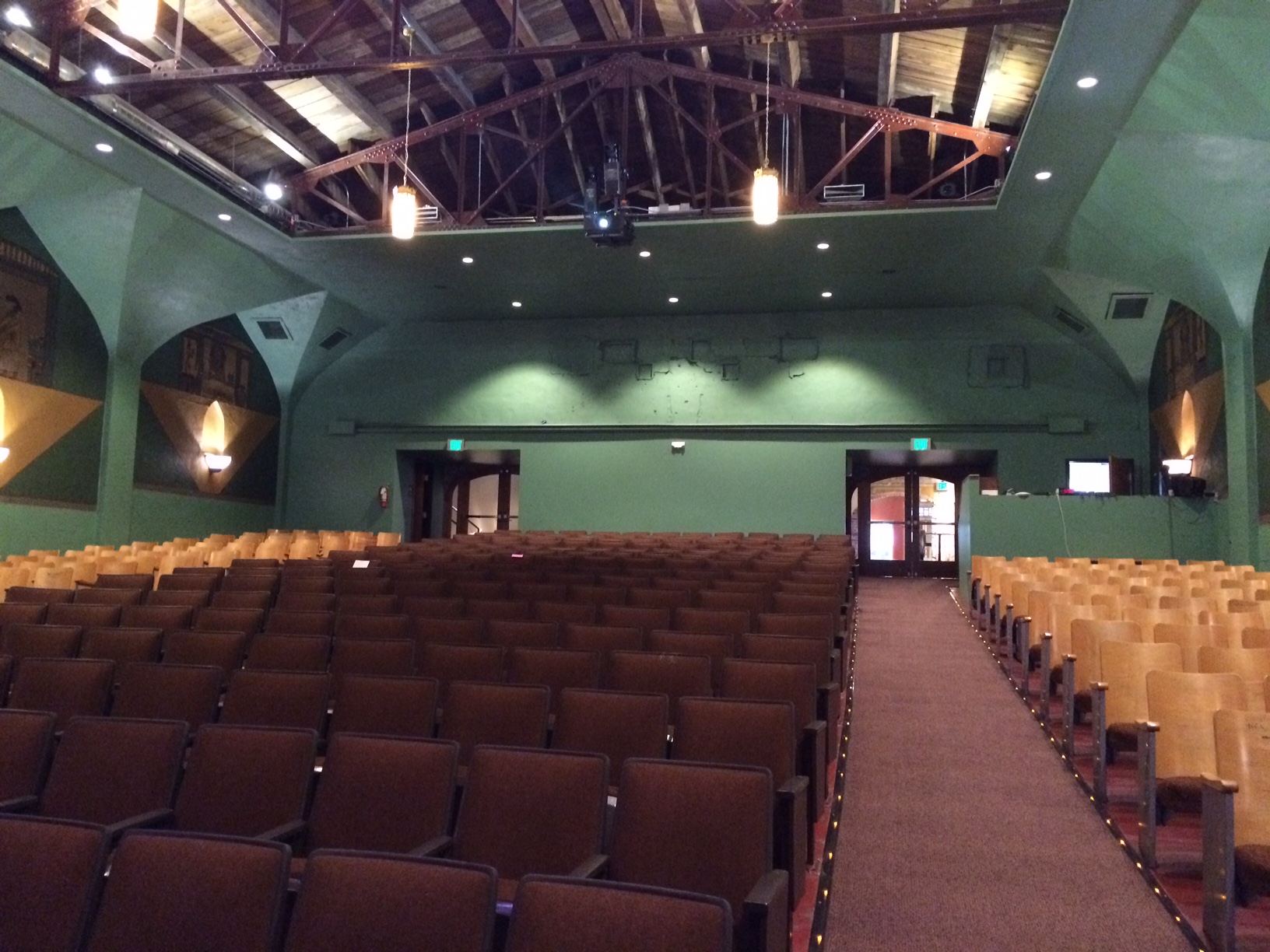
IMG_0575

The Holiday Event Center just before the doors opened. Tickets were sold out!

CJg8XxmUkAAb7gg

The house band, Oko Tygra, wrote a song about drinking water during the lecture and played it at the intermission.

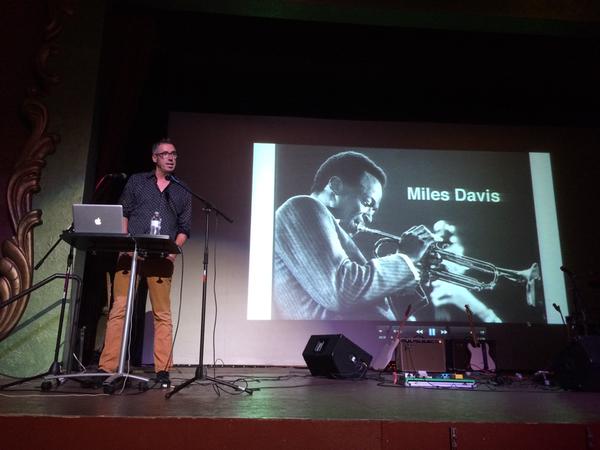
CJhQGcrUMAAx438

Scott Kinnamon called Miles Davis “the avatar for cultural malaise.”

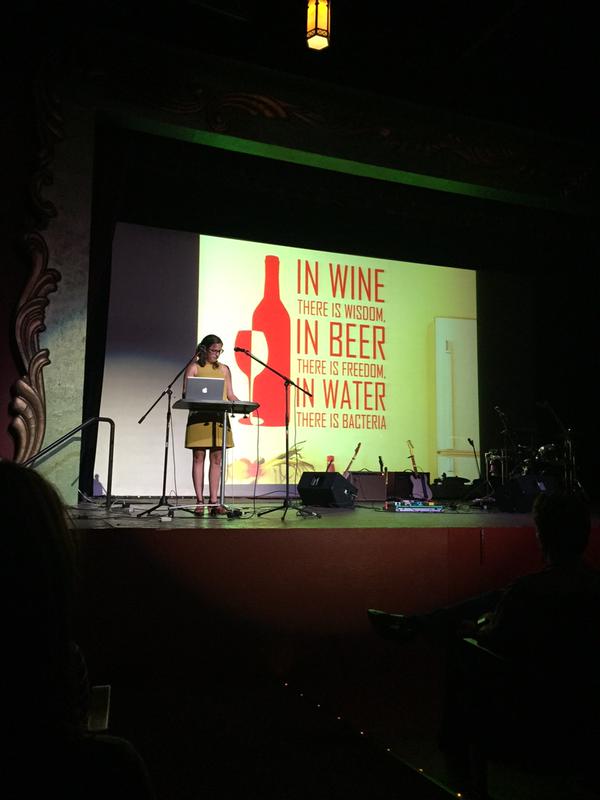
CJhDvW5UsAAa--j

Before chlorination, beer and wine were often safer to drink than water!

So Our Chapbooks Can Find Us

Look at these beautiful photos of the letterpress chapbook of my poems. Sara White is the book maker / print maker extraordinaire! I love the delicate lines in her drawings. The first picture, of the two children squatting, is on vellum, so you’ll be able to see through it to the girl on the opposite page. It’s a great effect for a book with the word ghosts in the title. I can’t wait to hold one! To see more of Sara’s work, check out her Etsy store, Southern Pest Prints. 11034439_10100282977717385_8911515956015467890_o 11062352_10100282977872075_7762115070429834639_o

In other news, my poem “Beauty Lessons” is in The Pinch’s latest print journal, which happens to be their 35th anniversary volume.

The Story as Essay: Or, What I’ve Accidentally Learned by Teaching Comp by David Ebenbach

Ruby Nerio Barron's avatar

About ten years ago I wanted to write an article about how writers, who often teach composition courses, are the last people on Earth who should be teaching composition courses. I had good arguments: First of all, it’s hard for writers to understand and communicate with people who so dislike writing that they only take a writing class when it’s required, and, second, we don’t spend as much time thinking about grammar as administrators might like. Above all, I thought, people who write stories and poems don’t necessarily have all that much to say about the very particular kind of stuff that gets written in these classes—argumentative essays, mainly—because those essays are so far removed from what we do.

Moon

Well, nobody wanted my article; magazine editors didn’t see the same problems that I did. They told me that writers get a lot, in fact, out of teaching composition courses. Naturally…

View original post 1,114 more words

Terrain.Org

If you haven’t checked out Terrain.ORG, you should! It’s a fantastic journal with an environmental bent. Also, I just signed on as an assistant fiction editor.

Here’s some info from the journal itself:

Terrain.org: A Journal of the Built + Natural Environments is journal publishing online since 1998 that searches for the interface — the integration — among the built and natural environments that might be called the soul of place.

It is not definitely about urban form, nor solely about natural landscapes. It is not precisely about human culture, nor necessarily about ecology. It is, rather, a celebration of the symbiosis between the built and natural environments where it exists, and an examination and discourse where it does not.

The Heart You Save Won’t Be Your Own

“That August I moved from a high ceiling dorm room in a historic landmark to the attic of an old flag shop downtown. The distance was a few miles, but the difference was like flipping channels from Masterpiece Theater to Cops. My dorm had overlooked manicured lawns and a circular garden with an endowment all its own; my new house was two doors down from a grass rotary where women sold blow jobs for $5.”


Over at Guernica, I wrote about heart transplants, social services, and quitting my first job after college. Here’s a link!